

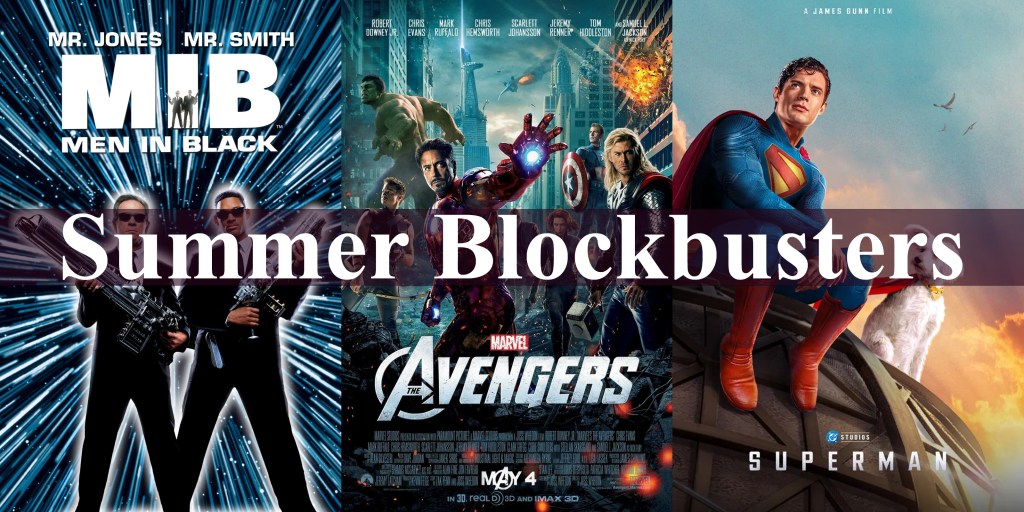
One of my friends, Panda, organizes a themed movie night every Friday. We choose a theme at the end of the evening for the following week, and three of us are chosen to each select a film within that theme. The evening begins with drawing lots to choose the film, and the person who chose it presents it to us. Then we watch the film while eating food, ideally something related to the theme. This time it was Pacific Ribs with Fat an Furious sauce.
Last Friday was my first time participating. Being the newbie, I was asked to write a short introduction to present the theme of the evening. So, I’m using it for this article.
Summer is approaching, so I’m going to talk about a topic that’s surfacing, something that concerns us all in this summer heat. “Heat,” I like that word! If I say summer, what comes to mind?
— The sea?
— No.
— The ocean?
— No
— The beach?
— No
— Big-budget movies?
— Oh yes!
Summer Blockbusters
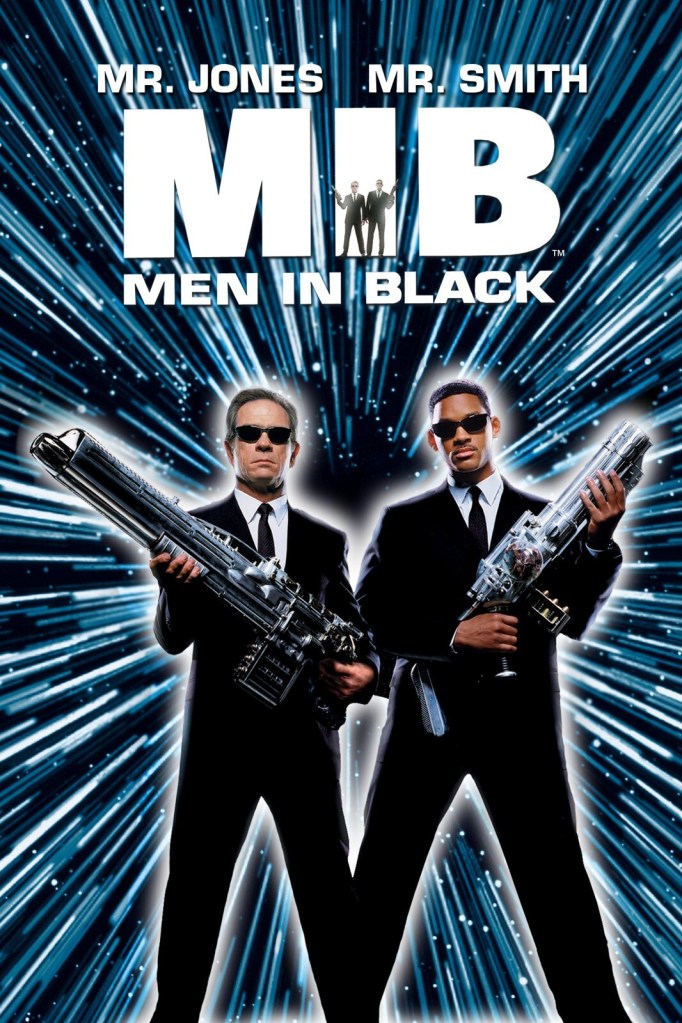
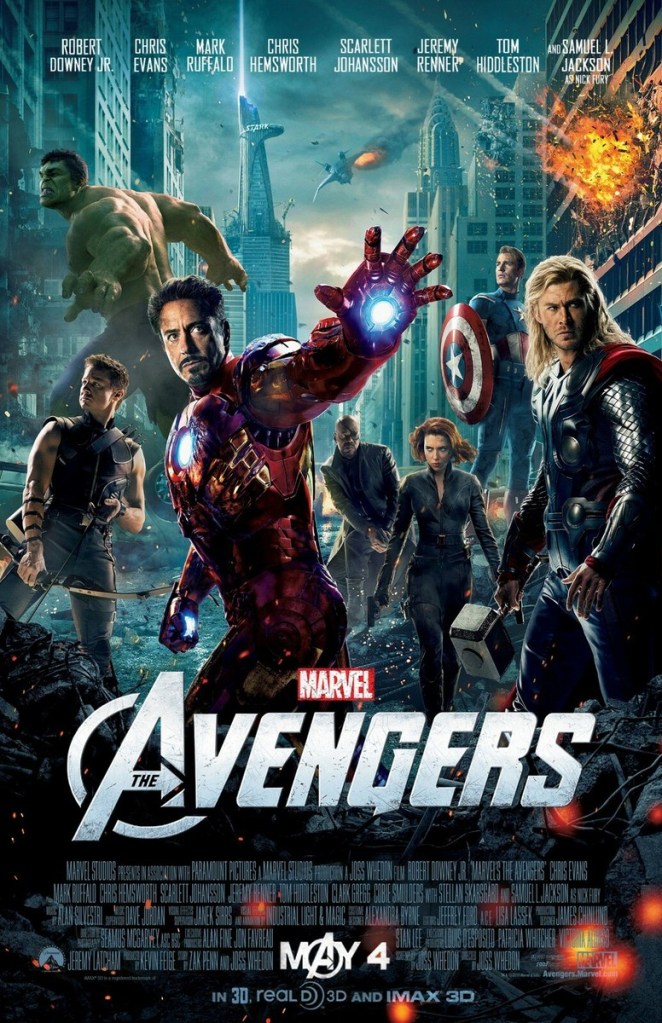

Those big, behemoth movies we devour with relish, letting out guttural squeals of delight in the air-conditioned movie theaters.
I’m talking about blockbusters, but perhaps not everyone is familiar with the term.
What is a blockbuster?
“Blockbuster” is a term that referred to particularly powerful bombs during World War II. After being adopted by theatrical jargon to describe a play so popular it bankrupts other theaters in the neighborhood, the term quickly spread throughout the film industry to describe a large-scale film with extraordinary commercial success.
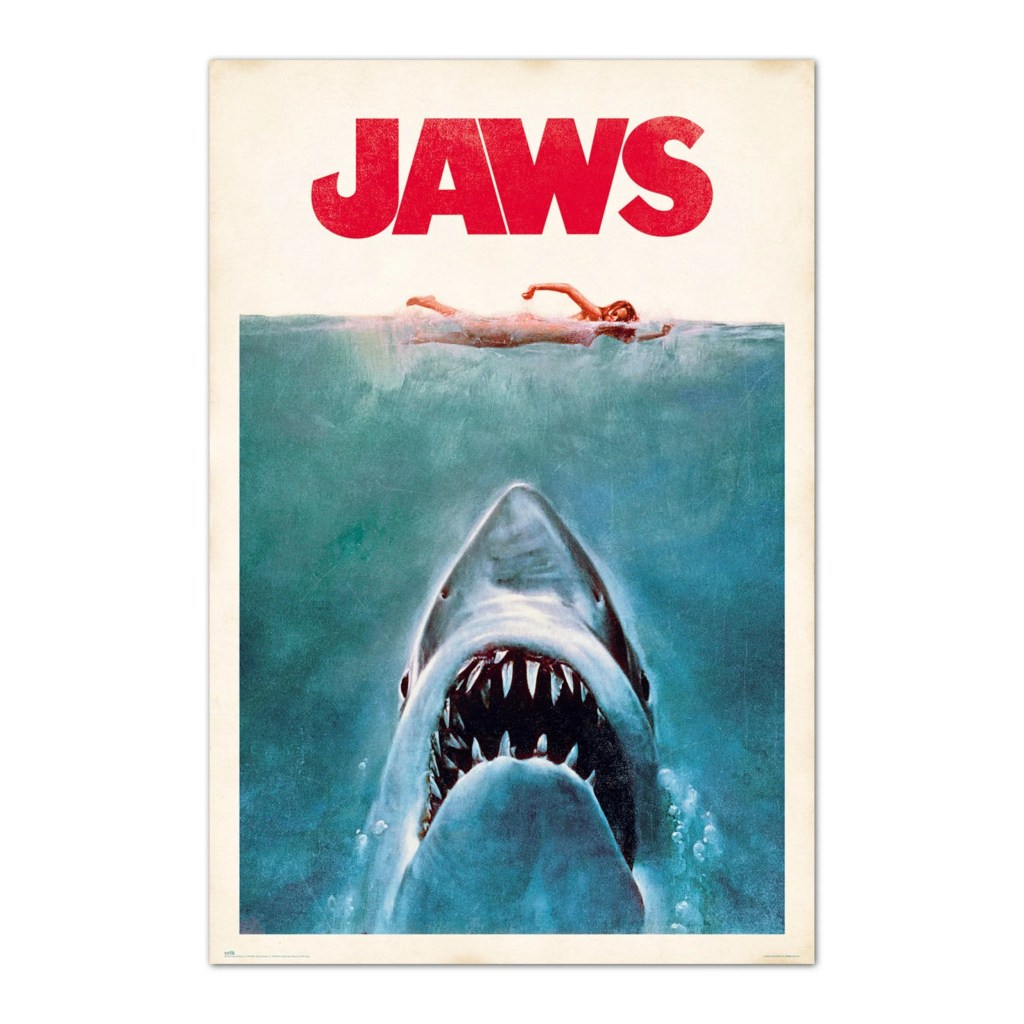
The first modern blockbuster is often identified as Steven Spielberg’s Jaws, released in 1975. Upon its release, it almost instantly became the biggest cinematic success of all time, which was quite unexpected given its, shall we say, chaotic production.
Technically, there were, of course, enormous historical successes before it, such as Ben-Hur, Gone with the Wind, Quo Vadis, and many others, but Jaws introduced three new aspects to blockbusters.
Firstly, blockbusters were no longer just a huge financial success for their studio; they became a global phenomenon, adapted to all kinds of media, as so clearly demonstrated by Star Wars and its avalanche of merchandising. From the astounding success of Jaws, the era of XXL marketing opened up and studios have constantly sought to create new event films, with substantial budgets and varying degrees of success.
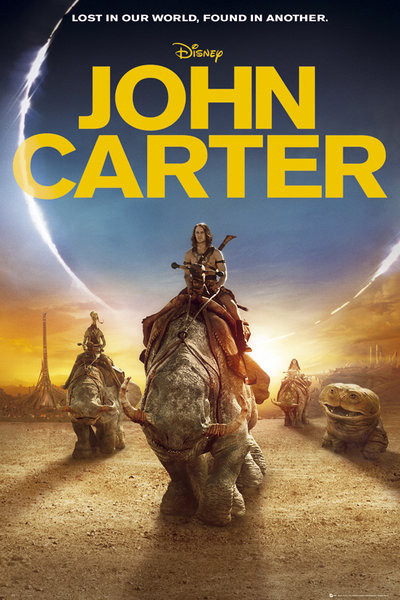
This highlights a curious paradox in the birth of the modern blockbuster. Spielberg came from a generation of directors known as New Hollywood, who rejected traditional production methods at the dawn of the 1970s. This group of gifted filmmakers, which also included Martin Scorsese, Brian De Palma, and Francis Coppola, aimed to create innovative works that often generated huge profits on relatively modest budgets.
However, the phenomenal commercial success of Jaws in 1975, followed by Star Wars two years later, unintentionally put an end to these laudable ideals, giving new impetus to the race for big budgets.
Yes, I think it’s fair to say that Spielberg and Lucas are big trolls!
On the other hand, the resounding success of Jaws allowed the blockbuster genre to increasingly embrace genre cinema, and this can be explained by the rather unique blend of influences at the film’s origins.
While New Hollywood was deeply involved in the cinematic innovations of the time, particularly those brought by the French New Wave, some directors like Spielberg and Lucas also drew inspiration from other, “less serious” mediums such as comic books and pulp fiction.
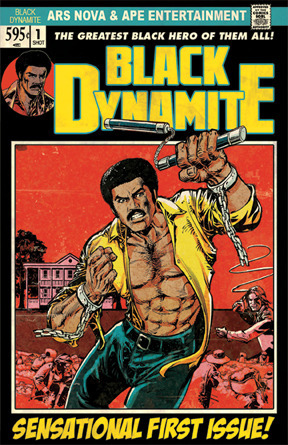
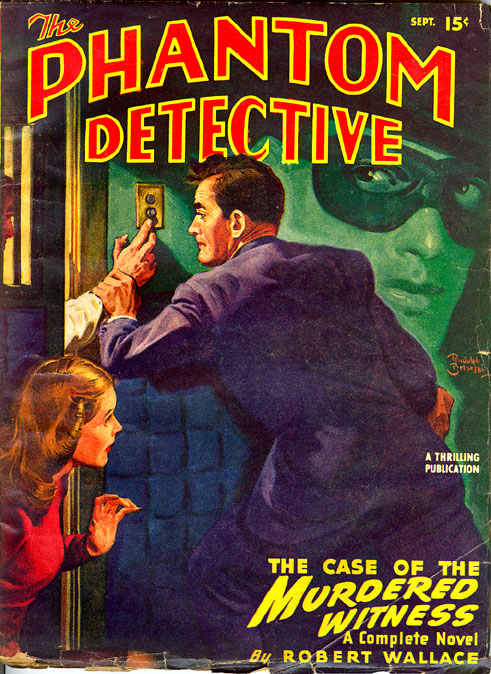
The popular success of Jaws, coupled with the growing legitimacy of New Hollywood directors, thus helped to break down certain barriers and begin to popularize a more uninhibited vision of film genres, previously considered B-movies, among the general public. It is no coincidence that from the 1970s to the present day, action/adventure and science fiction have been the two areas from which major productions have drawn the most.
Finally, with Jaws, the blockbuster began to establish what would become a tradition for the film industry, and the subject of this column: the summer blockbuster season.
From the mid-1970s onward, the film industry began to increasingly align itself with the rhythms of life, offering specific types of films depending on the time of year and the supposed mood of the audience.

When the first warm weather arrives and those damn flip-flops start popping up again, we naturally have an automatic craving for mindless pyrotechnics on the big screen while stroking our thighs with a bunch of ice cubes.
— Hey, why are you looking at me like that? It’s normal… isn’t it?
Summer blockbusters are often perceived as a kind of unchanging tradition. The summer season being the richest of the year in terms of big-budget productions of all kinds, it provides an excellent way to gauge the state of the Hollywood entertainment industry.
As a side note, for studios, the summer blockbuster season generally begins in May, which historically corresponds to the release month of the first Star Wars film in 1977.
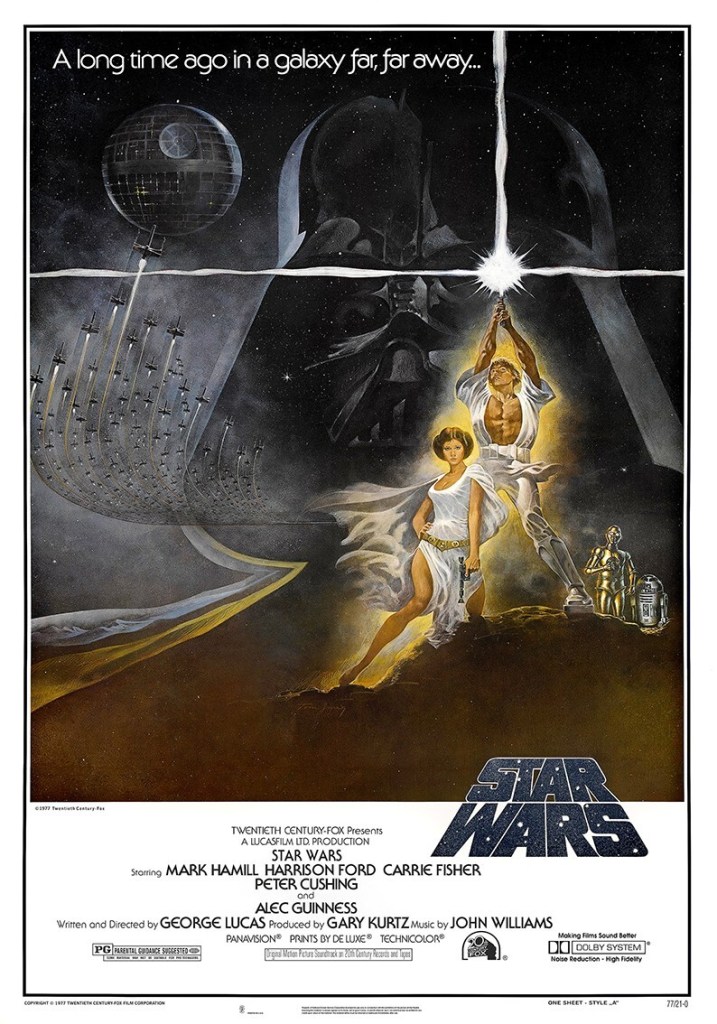
With the exception of Lilo & Stitch with its $100 million budget, most blockbusters of summer 2025 exceeded $200 million. These films with astronomical budgets are called Tentpoles.
What are Tentpoles?
In the film industry, Tentpoles refers to enormous films designed as economic battering rams. A tentpole film can be a studio’s champion, guaranteeing either a phenomenal box office smash or a massive flop that will cause significant damage.
In fact, tentpole films illustrate a rather alarming trend in Hollywood. Since the 1980s, the average cost of blockbusters has steadily increased. This constant rise is compounded by the marketing campaign budget, which is sometimes as enormous as the cost of the films themselves.
- Star Wars: Episode VII – The Force Awakens (2015) – $447 million
- Jurassic World: Fallen Kingdom (2018) – $432 million
- Star Wars: Episode IX – The Rise of Skywalker (2019) – $416 million
- Pirates of the Caribbean: On Stranger Tides (2011) – $379 million
- Furious 10 (2021) – $379 million
- Avengers: Age of Ultron (2015) – $365 million
- Avengers: Endgame (2019) – $356 million
- Doctor Strange in the Multiverse of Madness (2022) – $351 million
- Avatar: The Way of Water (2022) – $350 million
- Ant-Man and the Wasp: Quantumania (2023) – $330 million
The ten most expensive films ever made were all released before 2015.
Of course, the value of money fluctuates over time, and this list doesn’t account for inflation. But even when inflation is considered, the vast majority of the films on the list are still very recent.
The problem is that this trend has occurred without a corresponding increase in film revenue. As a result, studios have developed a less and less sustainable system by investing more and more money in a limited number of blockbusters and star-studded films. This puts them in increasingly risky financial situations, making them more and more vulnerable. Consequently, production costs are becoming increasingly strained, and only the smallest budgets survive. This is why the studio system today seems to have reached a dead end, caught in a precarious balancing act between monstrous budgets and low-budget productions.
The question then arises: are we, as in the late 1960s, facing an imminent movement of discontent and rejection of dominant production methods? The film industry is a much larger and more structured entity than it was then, and therefore much harder to change, that’s for sure. But one way or another, it will have to adapt and refresh its way of operating before it suffers one failure after another.
As for how this will play out, the suspense remains… Or not. Platforms like Disney+, Netflix, and Prime Video seem to be the outlet for mid-budget films, but it’s difficult to know when they’re successful or not, as VOD platforms are reluctant to release figures. In the meantime, it’s good to relax, but it’s also good to be a responsible viewer between sips of iced lemonade. So don’t hesitate to support mid-range productions when they’re in theaters.

It took me a while to write these lines, but I had a lot of fun doing it. If you like this format, I’ll write more often. Well, it’s getting late, so I wish you a good evening.
Hugs and kisses, see you soon.
 Orchid's Whims
Leave a comment