

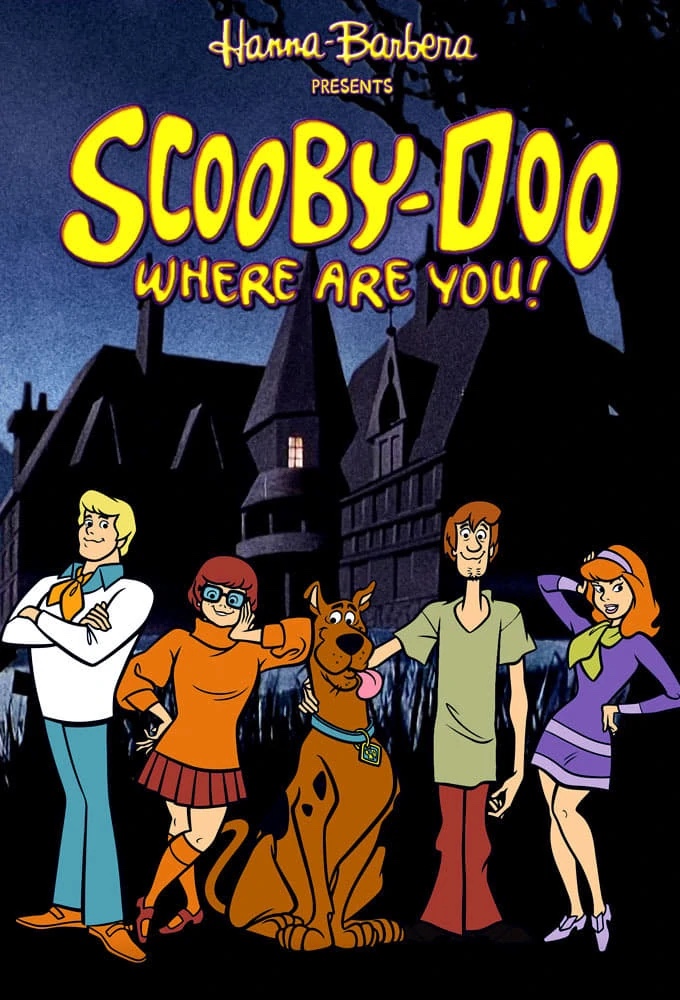
Did you know that you could understand the entire history of Scooby-Doo just by looking at their clothes?
We all know Scooby-Doo for its mysteries and monsters, but few people know that the outfits of the characters actually reveal a lot about America at the end of the 60’s.
The series is created in 1969 in a context shaped by the movement for civil rights, the Vietnam War and the emergence of the hippie counterculture, each member of the group represented an archetype of American youth at the time.
Daphne Blake
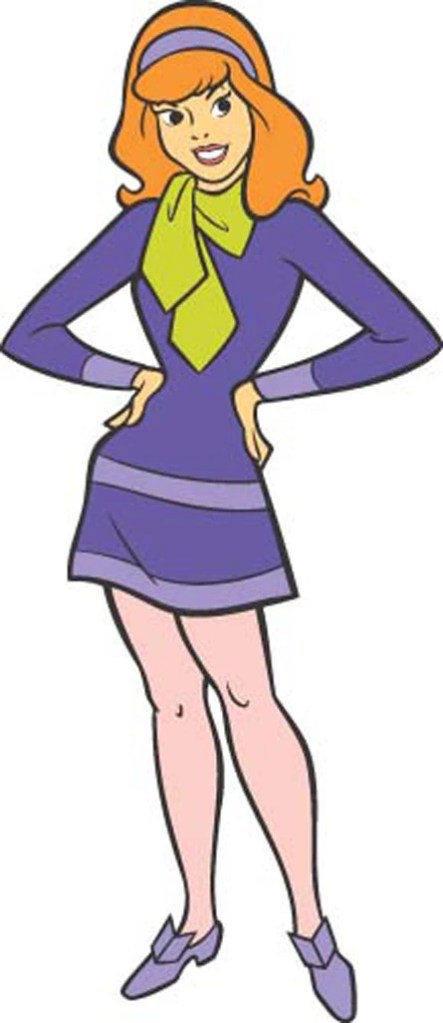
Daphne, with he purple colors, her scarf and her very polished look, reflect the trends of bourgeois fashion off the era.
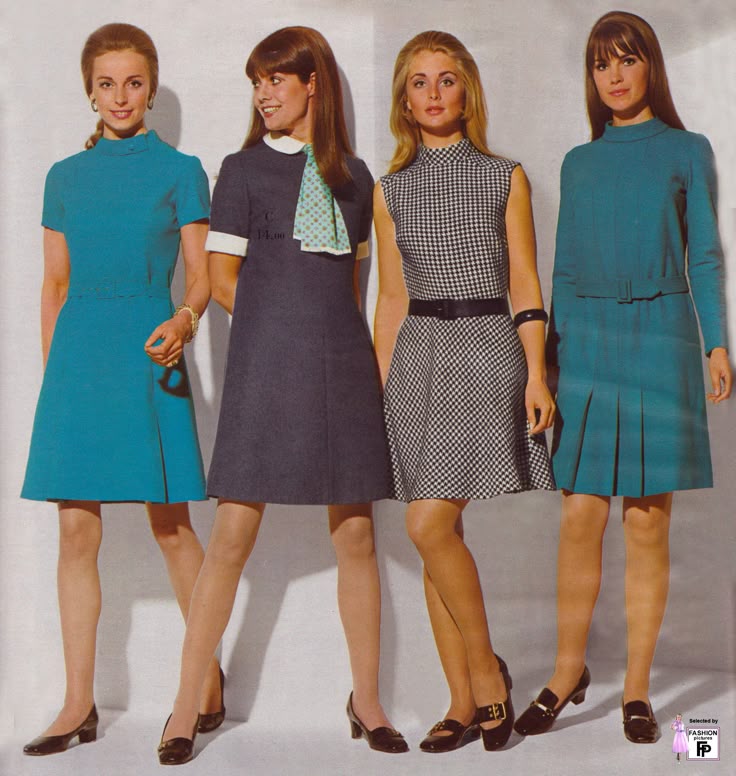
Her style represent the affluent youth of the prosperous suburbs that developed after the Second World War.
Fred Jones
Fred, with his white sweater and his orange scarf, embodies the classic American ideal: the young men, confident, a leader, close to traditional values.

Velma Dinkley

In contrast, Welma wears an orange turtleneck, and large glasses. In the 1960s, glasses were often associated with intellect. She therefore symbolizes the rise of the science, logic and education as a response to society’s fears.
And besides, it is often she who find the answers, rational explanations to the mystery.
Shaggy Rogers
The most interesting character must be Shaggy. His green T-shirt, his bell-bottom pants and his patchy beard directly recall hippie aesthetics.
Many see in him a reference to that youth who challenged the war, authority and establishes social norms.
Shaggy therefore represents this alternative youth that gained visibility at the end of the 1960s.

And even Scooby-Doo, his inseparable companion reinforces this image of freedom and endearing nonconformity.

But there is an other fascinating detail in Scooby-Doo, the monsters are almost always human in disguise. The message is clear, behind frightening phenomena, there often lie a reality far more ordinary. It is a subtle way of encouraging critical thinking in an America marked by propaganda, conspiracy theories and distrust toward institutions.
Ultimately, Scooby-Doo is not only a cartoon for children, it is also a subtle reflection of the social tensions, political and cultural of the America of the 1960s.
Hugs and kisses, see you soon.


Leave a comment